Since 2003 · Updated October 2026 · Anti-fingerprint protectors
Anti-fingerprint · United Kingdom · 2026

Anti-fingerprint screen protectors: the coating, the matte option, and what wears off

Everyone wants the screen that never smudges. The honest version of that product is two different things, and only one of them lasts.

Anti-fingerprintUnited Kingdom
6 checked productswww.amazon.co.uk

The short answer. "Anti-fingerprint" means an oleophobic coating — skin oil beads up instead of smearing, and wipes off easily. It does not prevent fingerprints, and it wears away over months of use. If you genuinely want smudges to be invisible, buy matte (anti-glare) glass: the textured surface scatters light so marks do not show, at the cost of a little sharpness. Neither has anything to do with your fingerprint sensor.

The coating

What "anti-fingerprint" is actually selling

A good protector carries a microscopically thin oleophobic — oil-repelling — layer. Skin oil cannot spread into a film across it, so it beads and lifts off with one pass of a cloth. That is the whole mechanism, and it is the same treatment Apple and Samsung put on bare phone glass.

So the claim is real but modest: fingerprints still appear, they are just fainter and easier to remove. A listing promising "no fingerprints" is overselling a coating that every decent protector already has.

Wear

Why it stops working after a few months

The coating is only a few molecules thick and it abrades: pockets, sleeves, wiping, and especially cleaning sprays. When a protector that used to wipe clean suddenly smears, the coating has gone rather than the glass.

That is not a defect, it is the life cycle of a consumable — and it is an argument for multipacks over a single premium sheet if smudging is what bothers you. Alcohol-based cleaners and abrasive cloths take it off faster; a dry or barely damp microfibre cloth is enough for daily use.

Matte

Matte glass hides smudges better than any coating

Matte or anti-glare protectors have a finely textured surface that scatters reflected light. Fingerprints are visible mostly because they catch reflections, so a diffuse surface makes them nearly disappear — far more effectively than a coating does, and it does not wear off the way a coating does.

The trade is real: a slight loss of sharpness, a faint sparkle on white backgrounds, and a drier feel under the finger that gamers often prefer and photographers often do not. Our matte and anti-glare guide goes further into it.

Not the same thing

This has nothing to do with your fingerprint sensor

Searches for "anti-fingerprint" mix two unrelated problems: smudges on the glass, and whether a protector breaks the fingerprint reader under the display. They are unconnected. The coating is about oil on the surface; sensor compatibility is about thickness, adhesive and tint.

If the reader is your concern, see our fingerprint sensor guide. Heavily matte finishes can make optical sensors less reliable, which is the one place the two topics touch.

Checked on Amazon.co.uk

Anti-fingerprint protectors sold here

Prices change daily, so the price and availability that count are always the ones shown on Amazon once you follow the link. Each product below was checked as sold on Amazon.co.uk on 28 September 2026.
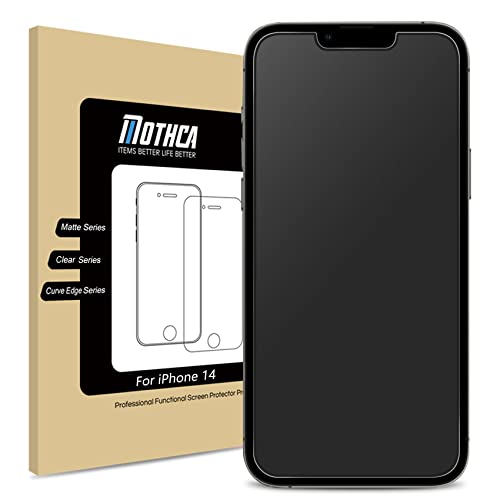
Affiliate disclosure: As an Amazon Associate, Screen-Protectors.com earns from qualifying purchases. It costs you nothing extra and does not influence the order or the content of our recommendations.
FAQ

Frequently asked questions

Do anti-fingerprint screen protectors work?

Partly. The oleophobic coating makes fingerprints fainter and much easier to wipe away, but it does not stop them forming, and it wears off over months.

What is the most smudge-proof screen protector?

Matte or anti-glare glass. Its textured surface scatters light, so fingerprints barely show — a bigger effect than any coating, and it does not wear off. You lose a little sharpness.

Why does my screen protector smudge more than it used to?

The oleophobic coating has worn away. It is a few molecules thick and abrades with use and cleaning. Replacing the protector restores it.

Does an anti-fingerprint protector affect the fingerprint sensor?

No — they are unrelated. The coating deals with oil on the surface; sensor compatibility depends on thickness, adhesive and tint. Heavily matte finishes can make optical sensors less reliable.

How should I clean a screen protector without ruining the coating?

A dry or barely damp microfibre cloth. Alcohol sprays, washing-up liquid and abrasive cloths strip the coating faster.